

Janitorial machines play a vital role in maintaining cleanliness and hygiene across commercial, industrial, and public spaces. From hospitals and airports to malls and factories, these machines are designed to deliver efficiency, durability, and consistent cleaning performance. Understanding how janitorial machines are made helps businesses appreciate their value and choose the right equipment for long-term use.
The manufacturing process of janitorial machines begins with precision engineering and design. Every machine is planned to handle specific cleaning tasks such as floor scrubbing, sweeping, polishing, or vacuuming. Engineers focus on ergonomics, motor efficiency, water usage, and noise control to ensure the machine is powerful yet user-friendly. Computer-aided design and testing help refine each component before production starts.
Once the design is finalized, the production of core components begins. Motors, brushes, tanks, frames, and electronic control panels are manufactured or sourced according to strict quality standards. Heavy-duty materials like reinforced plastics, stainless steel, and industrial-grade rubber are used to ensure the machines can withstand continuous operation in demanding environments. Each component is tested individually to meet performance and safety requirements.
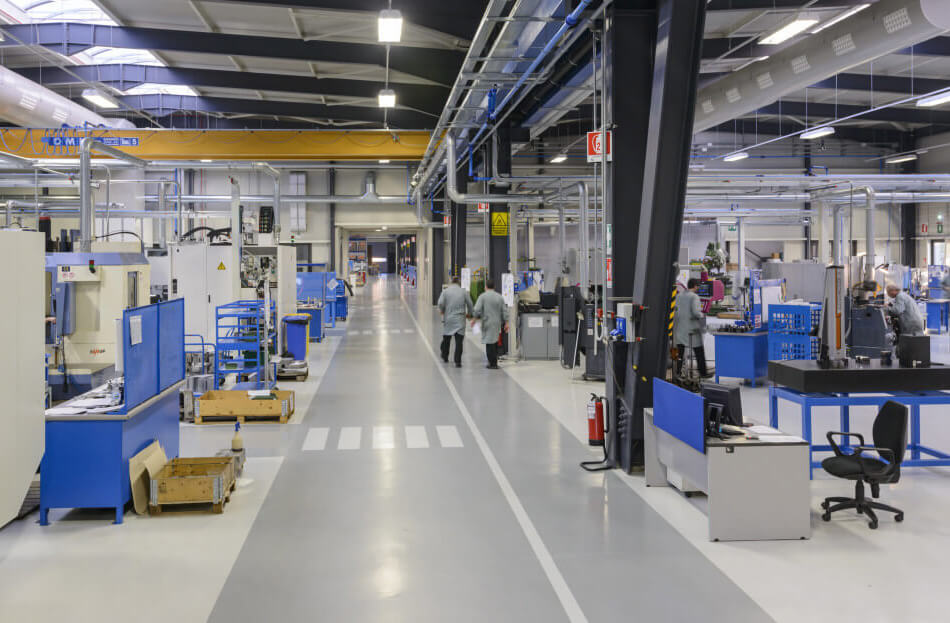
Assembly is the most critical stage in making janitorial machines. Skilled technicians assemble motors, wiring systems, brushes, wheels, and solution tanks on dedicated production lines. Attention to detail is essential, as even small misalignments can affect cleaning performance. During this stage, machines start to take their final shape, transforming individual parts into fully functional cleaning equipment.
After assembly, every janitorial machine goes through rigorous quality testing. Manufacturers test water flow, suction power, brush pressure, battery performance, and maneuverability. Machines are often run on sample floors to simulate real-world conditions. This ensures that the equipment delivers consistent results and meets international safety and quality standards before reaching customers.
The final step is finishing and packaging. Machines are cleaned, branded, and securely packaged to prevent damage during transport. User manuals, maintenance guides, and warranty documents are included to support long-term use. Once packaged, the janitorial machines are ready to be shipped to distributors, service providers, and businesses worldwide.
Janitorial machines are the result of careful design, advanced manufacturing, and strict quality control. Their production reflects a commitment to cleanliness, efficiency, and reliability. By understanding how these machines are made, businesses can make informed decisions and invest in equipment that supports hygienic and professional cleaning standards for years to come.