

With the growing global focus on environmental responsibility and sustainable living, waste segregation has moved from being an optional practice to an essential requirement in modern janitorial systems. Proper waste segregation begins at the point of disposal, and dustbins play a central role in making this process effective, practical, and scalable. Segregated dustbins are designed to help users separate different types of waste easily, ensuring that recyclable and reusable materials do not end up in landfills unnecessarily.
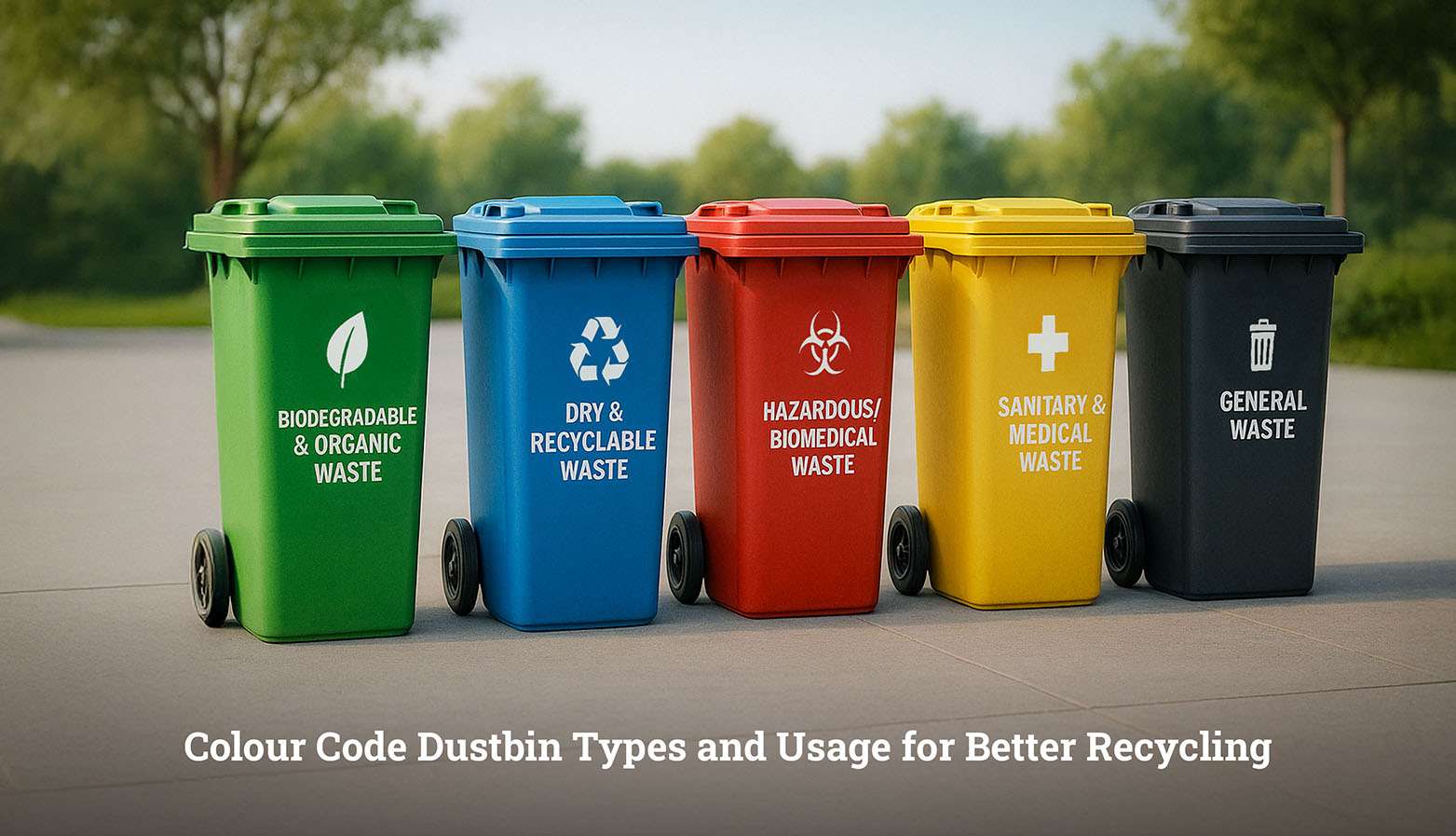
Waste segregation dustbins are commonly color-coded to clearly distinguish between various waste categories such as wet waste, dry waste, recyclables, and hazardous materials. This visual system reduces confusion and encourages correct disposal habits among users, even in high-traffic public spaces. When waste is segregated correctly at the source, it simplifies downstream processes such as collection, recycling, composting, and safe disposal.
One of the primary benefits of waste segregation dustbins is their contribution to reducing landfill pressure. Wet waste, which includes food scraps and biodegradable materials, can be composted and converted into organic manure instead of being dumped. Dry waste such as paper, plastic, metal, and glass can be sent directly for recycling when separated properly. By using dedicated dustbins for each category, facilities significantly reduce the amount of mixed waste that is otherwise difficult and costly to process.
In offices and corporate environments, segregated dustbins help build a culture of environmental responsibility. Employees are more likely to follow sustainable practices when disposal systems are clearly marked and easy to use. Strategically placed color-coded bins near workstations, cafeterias, and common areas make segregation a natural part of daily routine rather than an extra effort. Over time, this not only improves cleanliness but also aligns the organization with sustainability goals and compliance standards.
Educational institutions are another major user of waste segregation dustbins. Schools and colleges use these bins not only for cleanliness but also as a learning tool. When students see clearly labeled bins for different waste types, they develop awareness about recycling and environmental impact from an early age. This practical exposure reinforces theoretical lessons about sustainability and encourages responsible behavior beyond campus boundaries.
Hospitals and healthcare facilities rely heavily on waste segregation for both environmental and safety reasons. In these environments, segregated dustbins are critical for separating general waste, recyclable materials, and biomedical or hazardous waste. Proper segregation reduces the risk of infection, protects cleaning staff, and ensures that dangerous materials are treated and disposed of according to safety regulations. Color-coded systems with clear symbols and instructions are especially important in such sensitive settings.
Government buildings and public institutions also depend on waste segregation dustbins to manage large volumes of daily waste efficiently. These spaces serve diverse users, making clarity and simplicity essential. Standardized colors and multilingual labels help ensure that people from different backgrounds can dispose of waste correctly. Effective segregation at this level supports municipal recycling programs and reduces overall waste management costs.
From a janitorial operations perspective, segregated dustbins improve efficiency and workflow. When waste is already separated at the source, cleaning staff spend less time sorting mixed waste manually. Collection becomes faster, transportation is easier, and disposal processes are more organized. This not only saves labor time but also improves hygiene by reducing unnecessary handling of waste.
Design and material selection also play an important role in waste segregation dustbins. Durable plastic bins are commonly used due to their lightweight nature, ease of cleaning, and resistance to chemicals. In premium environments, stainless steel segregated bins offer a cleaner appearance and higher durability. Clear labeling, pictograms, and consistent color usage ensure long-term effectiveness, even in high-usage conditions.
In the long term, waste segregation dustbins support sustainability goals, regulatory compliance, and corporate social responsibility initiatives. They help organizations demonstrate their commitment to environmental care while maintaining clean, organized, and hygienic spaces. Though simple in appearance, these bins are powerful tools that connect everyday cleaning practices with global environmental impact.