

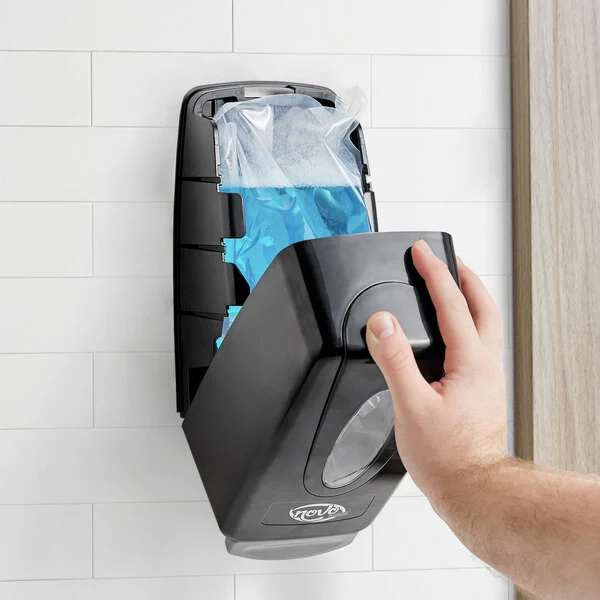
Dispensers are a core element of any janitorial and hygiene setup, but choosing between manual and automatic dispensers is not just a matter of preference. The decision directly impacts hygiene levels, operational costs, user experience, and long-term maintenance. Understanding the strengths and limitations of both options helps facility managers, business owners, and institutions make informed and practical choices.
Manual dispensers are widely used due to their simplicity and affordability. These dispensers operate through a push button, lever, or pull mechanism, requiring direct physical contact by the user. Their biggest advantage lies in cost-effectiveness. Manual dispensers are generally cheaper to purchase, easier to install, and do not require batteries or electrical components. This makes them an ideal choice for small offices, local shops, schools, residential buildings, and facilities working within a limited budget.
From a maintenance perspective, manual dispensers are straightforward. Since they rely on mechanical parts rather than electronics, there are fewer chances of technical failure. Cleaning staff can easily refill them, replace pumps, or fix minor issues without specialized training. This reliability makes manual dispensers suitable for locations where technical support is limited or where usage patterns are predictable and moderate.
However, manual dispensers do come with hygiene limitations. Because users must touch the dispenser surface, there is a higher risk of cross-contamination, especially in high-traffic areas. In places like public restrooms, shared office washrooms, or schools, multiple users touching the same surface can transfer germs, reducing overall hygiene effectiveness. Over time, frequent pressing can also lead to wear and tear, affecting dispensing consistency.
Automatic or touchless dispensers address many of these hygiene concerns. These dispensers use infrared or motion sensors to dispense soap, sanitizer, or paper products without any physical contact. By eliminating touchpoints, they significantly reduce the spread of bacteria and viruses. This makes them especially valuable in environments where hygiene standards are critical, such as hospitals, clinics, laboratories, food processing units, hotels, airports, and premium commercial spaces.
In addition to hygiene benefits, automatic dispensers enhance user experience. They offer controlled and consistent dispensing, which helps reduce product wastage. Many modern touchless dispensers are designed with sleek aesthetics, contributing to a more professional and premium look in washrooms and public areas. This visual appeal is an important factor for businesses that want to project a clean, modern, and high-quality brand image.
Maintenance for automatic dispensers requires slightly more attention compared to manual ones. These dispensers rely on batteries or power sources, sensors, and electronic components. Regular battery replacement, sensor cleaning, and calibration are necessary to ensure smooth operation. While the initial cost and maintenance effort are higher, many facilities find that the improved hygiene, reduced consumable wastage, and better compliance with cleanliness standards justify the investment.
Foot traffic plays a major role in choosing between manual and automatic dispensers. In low-traffic environments, manual dispensers can perform efficiently without frequent refilling or mechanical stress. In contrast, high-traffic areas benefit more from automatic dispensers, as they reduce queue times, maintain consistent output, and minimize contact-related hygiene risks. For facilities handling hundreds or thousands of users daily, touchless dispensers often prove more practical in the long run.
Maintenance capacity is another key consideration. Facilities with trained janitorial staff and scheduled maintenance routines can easily manage automatic dispensers. On the other hand, locations with minimal staff or irregular maintenance schedules may prefer manual dispensers for their simplicity and durability. Choosing a dispenser that aligns with operational capacity helps avoid downtime and user dissatisfaction.
Ultimately, there is no one-size-fits-all solution. Manual dispensers offer affordability, ease of use, and low maintenance, making them suitable for budget-conscious and low-risk environments. Automatic dispensers provide superior hygiene, modern aesthetics, and controlled usage, making them ideal for sensitive, high-traffic, and premium spaces. The right choice depends on hygiene requirements, expected user volume, available maintenance resources, and the overall image a facility wants to maintain.